Clean Truck Check (CTC) Program Overview
What Fleet Owners Need To Know
How Fleets Comply and Avoid Penalty

Most diesel and alternative fuel vehicles over 14,000 lbs GVWR. This applies to on and off road vehicles registered in or out of the state.
Fleets must create a CTC-VIS account, add vehicles, pay annual fees, ensure periodic inspections are completed, and results are submitted to CARB.
Effective 2025, CARB began enforcement of mandated periodic testing twice per year. In October 2027, the frequency doubles to four times per year.
Failure to comply with CARB regulations increases the risk of DMV registration holds, fines, enforcement actions, downtime, and lost revenue.
Compliance deadlines depend on vehicle registration/renewal date or last number of a vehicles VIN depending on registration State.
A valid test can be carried out no earlier than 90 days from a compliance deadline for the vehicle.
Most 2013 or newer vehicles are OBD tested using a CARB-certified device. Pre-2013 engines usually require a SAE J1667 opacity (smoke) test.
CARB requires testing to be completed and results submitted to CTC-VIS electronically by a credentialed tester using CARB approved testing equipment.
Unfortunately No. Compliance deadlines are based on registration dates and VINs. Each vehicle must be tested within the mandated testing window.
While penalties may not be immediately visible, they are actionable. Be aware, DMV notices or lack there of does not replace mandated CARB testing frequencies. The regulation still applies.
Per regulatory guidelines, while P2G and others provide services in support of CARB initiatives, maintaining compliance with applicable rules and regulations are the vehicle owners responsibility.
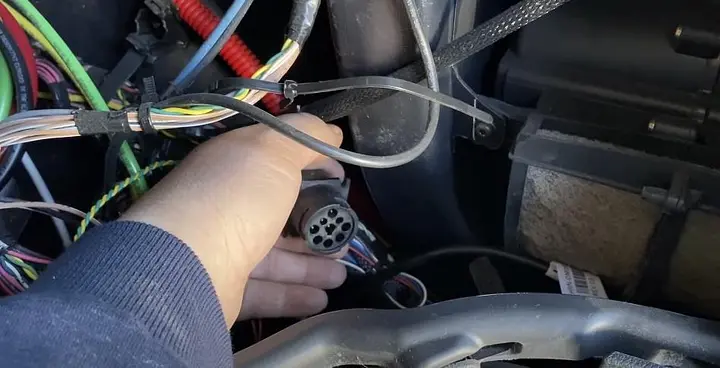
Accurate OBD testing by CARB-certified technicians keeping fleets operationally compliant.

A structured compliance partnership focused on sustainability, reliability, strong customer service, and long-term compliance risk mitigation.

0% Downtime. 100% Automated Testing. 100% CARB Compliant.

Expert advice to guidance to prepare fleets for CARB compliance, optimize business processes, and effective implementation of safe work practices.